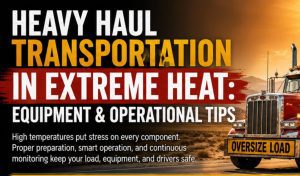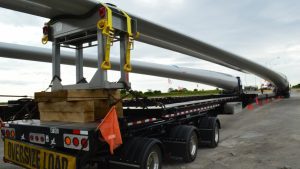
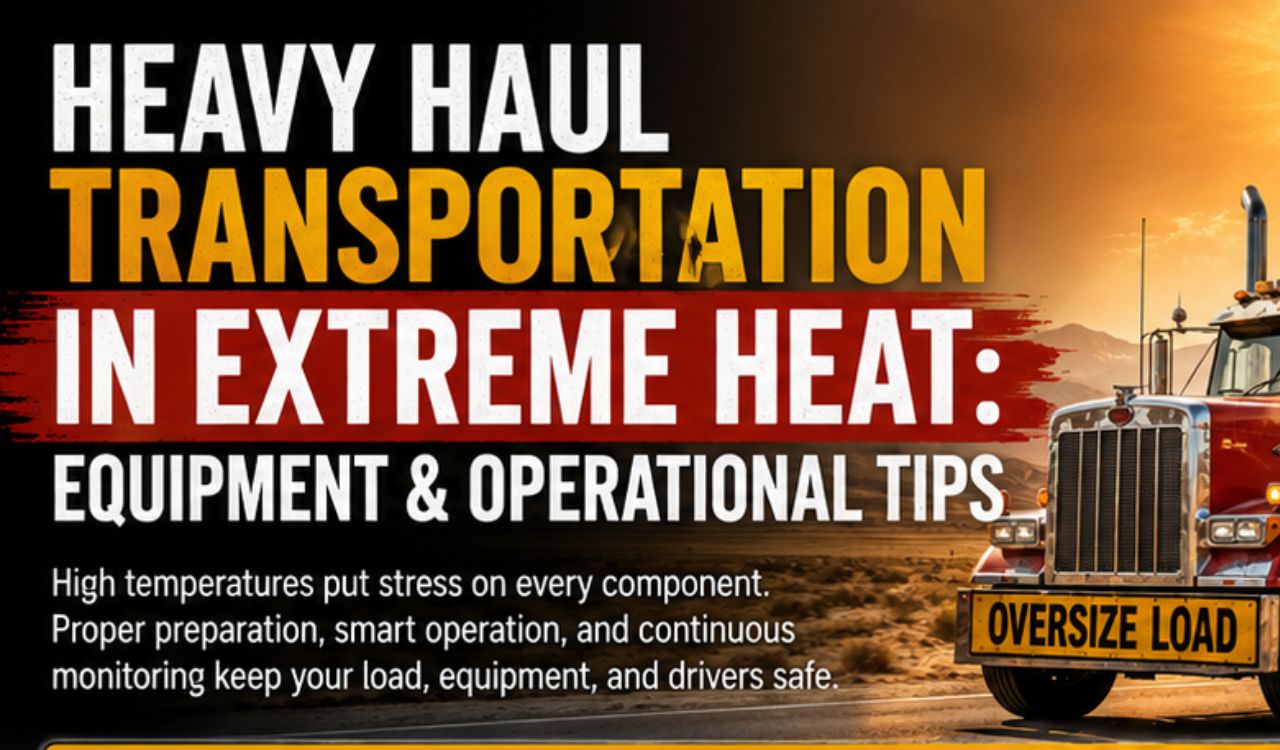
Heavy haul transportation becomes more challenging when vehicles, trailers, and oversized cargo must operate in extreme heat. High temperatures can affect tires, hydraulic systems, engines, brakes, suspension components, and other equipment used during heavy equipment transportation. Long-distance routes, high cargo weights, road temperatures, and extended operating hours can increase these challenges.
For heavy-haul operators, preparing for extreme heat is not simply about keeping the truck running. It requires proper equipment inspection, tire management, hydraulic-system monitoring, route planning, driver awareness, and regular checks throughout the journey. Whether transporting construction machinery, industrial equipment, generators, transformers, or other oversized cargo, a well-planned heat-management strategy can help reduce equipment problems and transportation delays.
Why Extreme Heat Is a Challenge for Heavy Haul Transportation
Heavy-haul vehicles already operate under demanding conditions because they carry substantial loads over roads, grades, and long distances. Extreme temperatures add another layer of stress.
High ambient temperatures can raise the operating temperature of engines, transmissions, hydraulic systems, wheel hubs, and brakes. At the same time, road surfaces can become significantly hotter than the surrounding air, increasing thermal stress on tires. Trailer selection can also influence how heat affects equipment, which is one reason operators may consider factors discussed in Lowbed Trailer vs Modular Trailer comparisons when planning heavy-load transportation.
Heavy cargo also means that the vehicle may require more energy to accelerate, climb hills, and stop. When combined with high temperatures, these conditions can increase the importance of preventive maintenance, appropriate trailer selection, and careful operation.
How Extreme Heat Affects Heavy Haul Equipment
Different components respond differently to high temperatures. Understanding these effects allows operators to focus inspections on the systems most likely to experience heat-related problems.
Tires
Tires are among the most important components to monitor during hot-weather transportation.
As temperature increases, tire pressure can rise. Excessive heat combined with improper inflation, overloading, excessive speed, or damaged tires can increase the risk of tire failure.
Heavy-haul operators should inspect tires before departure and monitor them throughout the trip. Tire pressure should be maintained according to the manufacturer’s specifications rather than adjusted based only on outside temperature.
Tire condition is particularly important for multi-axle trailers because a large number of tires may be carrying the cargo weight.
Hydraulic Systems
Many heavy-haul trailers use hydraulic systems for suspension, steering, loading, deck adjustment, or other functions.
Extreme heat can increase hydraulic-fluid temperature. Excessive fluid temperature can affect system performance and may contribute to accelerated deterioration if the equipment is operated outside its intended temperature range.
Operators should inspect hydraulic hoses, fittings, cylinders, reservoirs, and fluid levels before transportation. Any signs of leakage should be addressed before beginning a demanding journey.
Engine and Cooling System
The tractor’s engine works harder when pulling heavy loads, particularly on steep grades. Extreme heat can make it more difficult for the cooling system to maintain an appropriate operating temperature.
Before departure, operators should inspect the cooling system and verify that coolant levels and related components are in suitable condition.
Radiators, cooling fans, belts, hoses, and other components should be checked according to the vehicle manufacturer’s maintenance requirements.
Braking Systems
Brakes can experience significant thermal stress during heavy-haul operations.
Long downhill sections, repeated braking, heavy cargo, and high ambient temperatures can increase brake temperatures. Excessive heat can reduce braking performance and accelerate component wear.
Route planning should identify steep grades and extended downhill sections so operators can select appropriate driving and braking techniques.
Wheel Hubs and Bearings
Wheel-end components can also generate and retain substantial heat during long-distance transportation.
Abnormally high temperatures can indicate problems such as inadequate lubrication, bearing damage, or other mechanical issues.
Regular inspection and maintenance of wheel hubs and bearings are particularly important when transporting heavy cargo over long distances.
Inspect the Trailer Before a Hot-Weather Journey
A thorough pre-trip inspection can identify problems before the trailer is exposed to extreme operating conditions.
Important areas to inspect include:
- Tires and wheels
- Braking components
- Hydraulic hoses and cylinders
- Suspension components
- Electrical connections
- Lighting systems
- Wheel bearings and hubs
- Tie-down and cargo-securement equipment
- Trailer frame and structural components
- Ramps and loading equipment
Any component showing damage, excessive wear, leakage, or abnormal operating conditions should be evaluated before departure.
Monitor Tire Pressure and Temperature
Tire management becomes especially important in extreme heat.
Operators should use appropriate tire-pressure monitoring practices and follow the tire and vehicle manufacturer’s recommendations. Tire pressure should be checked when the tires are in an appropriate condition for measurement, since pressure changes naturally with temperature.
Underinflation can increase tire flexing and heat generation, while excessive inflation can affect tire performance and load distribution. The correct pressure should therefore be based on the manufacturer’s specifications and actual operating requirements.
For heavy-haul fleets, maintaining accurate tire records can also help identify recurring problems before they result in roadside failures.
Manage Hydraulic Temperature
Hydraulic systems should be operated within the temperature range specified by the equipment manufacturer.
During extended operation, operators should watch for warning signs such as:
- Reduced hydraulic performance
- Unusual noises
- Hydraulic-fluid leaks
- Slow cylinder movement
- Warning indicators
- Excessive fluid temperature
If a hydraulic system begins operating abnormally, continuing to operate it under extreme heat may increase the risk of equipment damage.
Plan Routes Around Extreme Heat
Route planning is particularly important for heavy-haul transportation in hot climates.
Operators should consider:
- Expected daytime temperatures
- Road surface conditions
- Steep grades
- Long downhill sections
- Traffic congestion
- Construction zones
- Rest areas
- Fuel and service locations
- Emergency stopping locations
- Available recovery services
If temperatures are expected to become extreme during the middle of the day, scheduling certain portions of the journey during cooler periods may reduce thermal stress on equipment.
However, operating hours, permit conditions, driver regulations, traffic restrictions, and local requirements must always be considered when changing the schedule.
Consider Road Surface Temperature
Air temperature does not tell the entire story.
Road surfaces can become significantly hotter under direct sunlight. Asphalt can absorb and retain heat, creating additional thermal stress for tires and other components close to the road.
This is particularly relevant for heavy equipment transportation because the combination of high cargo weight and hot pavement can place additional demands on tires.
Operators should therefore consider both weather conditions and expected road conditions when planning long-distance routes.
Use Appropriate Driving Techniques
Driver behavior can have a major influence on equipment temperature.
Sudden acceleration, excessive speed, aggressive braking, and unnecessary rapid changes in speed can increase mechanical and thermal stress.
A smoother driving approach can help reduce unnecessary heat generation.
When approaching a long downhill grade, operators should use appropriate vehicle and trailer braking systems rather than relying continuously on service brakes. The correct technique depends on the specific vehicle, trailer, load, and manufacturer’s instructions.
Be Careful With Heavy Loads on Steep Grades
Heavy cargo places significant demands on the powertrain when traveling uphill and on the braking system when traveling downhill.
Before entering a steep section, the driver should understand the grade and select an appropriate operating strategy.
Long climbs can increase engine and coolant temperatures, while long descents can increase brake temperatures.
Planning rest or inspection points near challenging sections of the route can provide an opportunity to check the vehicle and trailer before continuing.
Protect Cargo During Extreme Heat
The effects of high temperatures are not limited to the truck and trailer.
Some types of cargo can also be sensitive to heat. Certain industrial components, electrical equipment, coatings, plastics, rubber components, and temperature-sensitive materials may require additional protection.
Operators should consider the manufacturer’s transportation recommendations for the specific equipment being moved.
For equipment containing hydraulic fluids, lubricants, batteries, electronic systems, or other temperature-sensitive components, appropriate preparation can help reduce the risk of heat-related problems.
Cargo Securement in Hot Weather
Cargo securement should also be inspected during transportation.
Chains, binders, straps, anchor points, blocking, and other restraints should remain appropriate for the load throughout the journey.
Temperature itself does not replace the need for proper cargo securement. Instead, operators should consider how heat, vibration, road conditions, and long operating periods may affect the overall transportation system.
Heavy machinery should remain properly positioned and restrained, particularly when traveling over rough roads or long distances.
Check the Trailer During Scheduled Stops
Scheduled stops provide an opportunity to inspect critical components.
During a stop, operators can check:
- Tire condition
- Visible tire damage
- Hydraulic leaks
- Brake condition where inspection is appropriate
- Cargo restraints
- Chains and binders
- Trailer components
- Warning lights or dashboard alerts
- Any unusual odors, noises, or temperatures
If an abnormal condition is identified, it should be investigated before continuing whenever safety or equipment integrity may be affected.
Keep Cooling and Maintenance Systems in Good Condition
Preventive maintenance is especially valuable before operating heavy-haul equipment in extreme temperatures.
Maintenance programs should follow the vehicle, trailer, engine, hydraulic-system, tire, and component manufacturers’ recommendations.
Particular attention should be given to cooling systems, lubrication, hydraulic fluids, tires, brakes, wheel-end components, and electrical systems.
A component that is already near the end of its service life may be more likely to create problems when exposed to high temperatures and heavy operating loads.
Avoid Unnecessary Idling
Extended idling can contribute to fuel consumption and heat accumulation depending on the vehicle and operating conditions.
When safe and operationally appropriate, unnecessary idling should be minimized. However, operators should always follow the vehicle manufacturer’s operating recommendations and applicable local requirements.
The goal is not simply to reduce idling but to manage engine temperature and vehicle operating conditions appropriately.
Driver Preparation for Extreme Heat
The driver is an important part of heat-management planning.
Long-distance heavy-haul operations in hot weather can create additional physical demands. Drivers should have access to adequate drinking water, appropriate rest opportunities, and suitable protection from excessive heat.
Fatigue and heat-related discomfort can affect concentration and decision-making. Proper scheduling and rest planning are therefore important parts of safe heavy-haul operations.
Common Mistakes During Hot-Weather Heavy Haul
Several avoidable mistakes can increase the risk of problems.
Ignoring Tire Condition
A tire that already has damage or improper inflation may be more vulnerable under high temperatures and heavy loads.
Skipping Pre-Trip Inspections
Extreme heat makes equipment condition even more important. Skipping inspections can allow minor issues to become major failures.
Overlooking Hydraulic Leaks
A small hydraulic leak can become a significant operational problem during extended heavy-haul work.
Relying Too Heavily on Service Brakes
Long downhill sections can create substantial brake heat. Appropriate braking techniques and route planning are important.
Driving Too Fast
Higher speeds can increase tire heat generation and mechanical stress. Operators should follow applicable speed limits and safe operating practices.
Failing to Recheck the Cargo
Heavy equipment and its restraints should be inspected periodically during long journeys.
Equipment Checklist for Extreme Heat
Before beginning a heavy-haul journey in extreme temperatures, operators should consider the following checklist:
- Check tire pressure and condition.
- Inspect wheels, hubs, and bearings.
- Check engine coolant and cooling-system components.
- Inspect hydraulic hoses, fittings, and cylinders.
- Verify appropriate hydraulic-fluid levels.
- Inspect braking components.
- Check suspension components.
- Inspect chains, straps, binders, and anchor points.
- Confirm the cargo remains correctly positioned.
- Review the planned route and difficult road sections.
- Identify suitable service and emergency locations.
- Check weather and temperature forecasts.
- Confirm required permits and route restrictions.
- Plan appropriate inspection and rest stops.
- Make sure the driver is prepared for hot-weather conditions.
Benefits of Proper Heat Management
Preparing for extreme temperatures can provide several operational benefits.
First, it can help reduce the likelihood of heat-related equipment failures. Second, regular inspections can identify developing problems before they cause significant delays. Third, appropriate route and schedule planning can improve operational efficiency.
For heavy-haul companies, preventing a roadside breakdown can also reduce recovery costs, project delays, cargo risks, and unplanned maintenance.
When to Stop and Inspect the Equipment
Operators should not ignore warning signs simply because the vehicle has a schedule to maintain.
Potential warning signs include abnormal tire behavior, unusual odors, visible fluid leaks, overheating warnings, reduced braking performance, unusual hydraulic behavior, abnormal wheel-end temperatures, or unexpected changes in vehicle handling.
If a serious mechanical or safety issue is suspected, the vehicle should be stopped in a safe location and inspected by an appropriately qualified person.
Conclusion
Heavy haul transportation in extreme heat requires careful preparation because high temperatures can increase stress on tires, engines, brakes, hydraulic systems, wheel-end components, and other equipment. The combination of heavy cargo, long distances, steep grades, hot road surfaces, and high ambient temperatures makes preventive maintenance and operational planning particularly important.
A successful hot-weather heavy-haul operation begins with proper equipment inspection and continues with tire monitoring, hydraulic-system checks, appropriate driving practices, cargo inspections, and route planning. Operators should also consider temperature-sensitive cargo requirements and provide drivers with suitable rest and hydration opportunities.
By preparing the tractor, trailer, cargo, and operating team for extreme temperatures, heavy-haul companies can reduce avoidable equipment problems and maintain safer, more reliable transportation operations.