Introduction
Can class b cdl drive semi without trailer is a common question among commercial drivers, trucking companies, CDL students, and fleet managers. Many people assume that because a semi truck is typically associated with a Class A Commercial Driver’s License (CDL), a driver must always hold a Class A CDL to operate one. However, the answer depends on whether the semi truck is pulling a trailer and how the vehicle is classified under federal and state regulations.
Commercial driver licensing in the United States is divided into several classes based on vehicle weight, configuration, and intended use. Understanding these classifications is essential for maintaining compliance, avoiding violations, and ensuring safe operation of commercial vehicles. In some situations, a Class B CDL holder may legally drive a semi truck without a trailer, while in others, a Class A CDL is required.
This guide explains CDL classifications, legal requirements, vehicle weight ratings, endorsements, restrictions, and practical scenarios where a Class B CDL holder may operate a semi truck without a trailer.
What Is a Class B CDL?
A Class B Commercial Driver’s License allows drivers to operate a single commercial vehicle with a Gross Vehicle Weight Rating (GVWR) of 26,001 pounds or more, provided the vehicle is not towing a trailer exceeding 10,000 pounds GVWR.
Common vehicles operated with a Class B CDL include:
- Straight trucks
- Dump trucks
- Box trucks
- Cement mixers
- Large buses
- Garbage trucks
- Utility vehicles
A Class B CDL is designed for operating heavy single vehicles rather than tractor-trailer combinations.
What Is a Semi Truck?
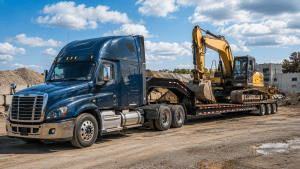
A semi truck, also called a tractor, is the powered unit that pulls a semi trailer. The truck itself contains:
- Engine
- Transmission
- Cab
- Drive axles
- Fuel system
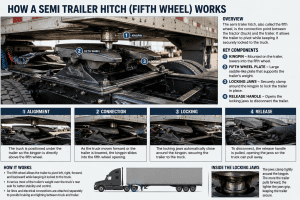
- Fifth-wheel coupling
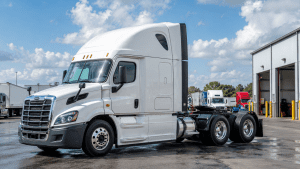
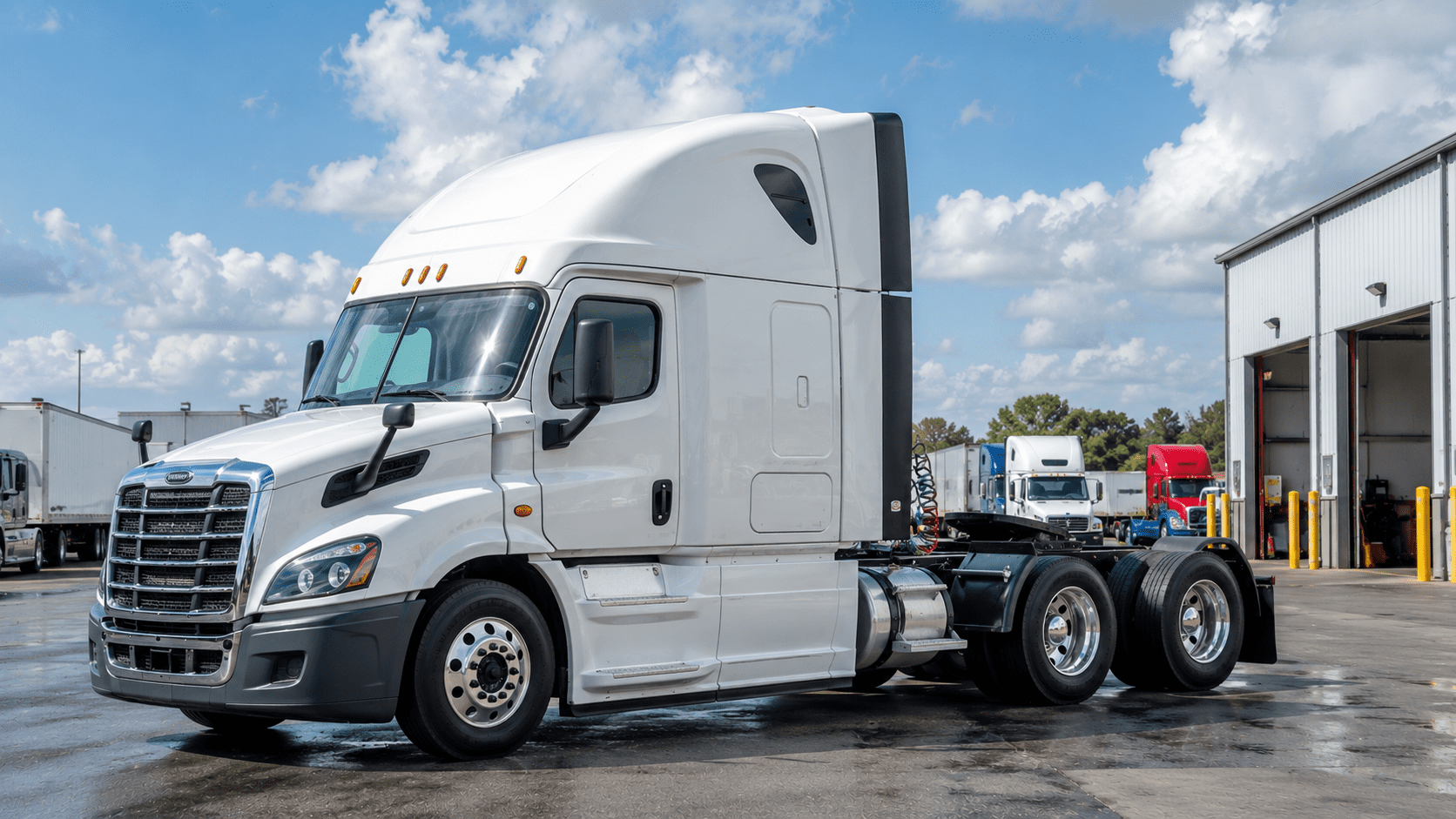
Without a trailer attached, the semi truck operates as a single vehicle.
How Does CDL Classification Work?
The Federal Motor Carrier Safety Administration (FMCSA) classifies commercial licenses based primarily on:
Vehicle Weight
- GVWR (Gross Vehicle Weight Rating)
- GCWR (Gross Combination Weight Rating)
Vehicle Configuration
- Single vehicle
- Combination vehicle
Trailer Weight
The weight of any attached trailer affects licensing requirements.
Can Class B CDL Drive Semi Without Trailer?
The short answer is:
Yes, in many cases a Class B CDL holder can legally drive a semi truck without a trailer attached, provided the vehicle is being operated as a single vehicle and all applicable state regulations are met.
Why This Is Allowed
When a tractor is not connected to a trailer:
- It is operating as a single commercial vehicle.
- No combination vehicle exists.
- Trailer weight is zero.
- The vehicle may fall within Class B licensing requirements.
Because the tractor itself is a heavy vehicle with a GVWR exceeding 26,001 pounds, a Class B CDL is often sufficient for moving the truck without a trailer.
Common Situations
Examples include:
- Moving tractors around a truck yard
- Driving a tractor to a repair facility
- Repositioning equipment
- Delivering tractors between terminals
- Maintenance testing
Understanding Class A vs. Class B CDL
Class A CDL
A Class A CDL allows operation of:
- Tractor-trailers
- Truck and trailer combinations
- Livestock haulers
- Flatbeds
- Tanker combinations
Requirements:
| Classification | Requirement |
|---|---|
| GCWR | 26,001+ lbs |
| Trailer GVWR | More than 10,000 lbs |
Class B CDL
A Class B CDL allows:
| Classification | Requirement |
|---|---|
| Single Vehicle GVWR | 26,001+ lbs |
| Trailer GVWR | Less than 10,000 lbs |
This distinction explains why a tractor without a trailer can often be driven by a Class B CDL holder.
Key Features of a Semi Truck Operated Without a Trailer
Single Vehicle Configuration
The truck functions as a standalone vehicle.
Reduced Overall Length
Without a trailer, maneuverability improves significantly.
Lower Gross Combination Weight
No trailer means reduced total operating weight.
Simplified Backing and Turning
Drivers only manage the tractor itself.
Benefits of Driving a Semi Truck Without a Trailer
Easier Maneuverability
- Turn more easily
- Require less space
- Navigate tight areas more efficiently
Simplified Vehicle Transport
Maintenance facilities often need tractors moved independently.
Training Opportunities
CDL students may learn tractor controls before handling trailers.
Fleet Management Efficiency
Companies frequently relocate tractors between terminals.
Common Uses for Semi Trucks Without Trailers
Trucking Terminals
Fleet operators reposition tractors daily.
Maintenance Shops
Repair centers often test-drive tractors independently.
Dealership Deliveries
Manufacturers transport tractors between facilities.
Driver Training Programs
Students practice vehicle handling skills.
Equipment Auctions
Auction houses move tractors without trailers.
Factors to Consider Before Driving a Semi Truck With a Class B CDL
State Regulations
Although federal guidelines establish licensing standards, individual states may have additional requirements.
Always verify:
- State CDL regulations
- Endorsement requirements
- Company policies
Vehicle Weight Rating
Confirm:
- GVWR
- Registration classification
- Commercial vehicle status
Employer Requirements
Some carriers require a Class A CDL regardless of whether a trailer is attached.
Air Brake Endorsement Considerations
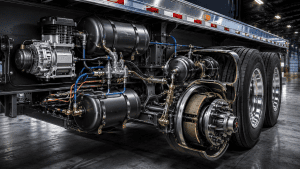
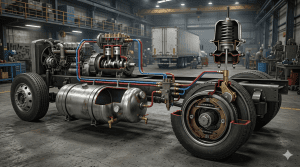
Many tractors use air brakes.
Drivers may need:
- Air brake qualification
- Removal of air brake restrictions
Insurance Policies
Insurance providers sometimes impose licensing standards beyond legal minimums.
Common Mistakes Drivers Make
Assuming Any CDL Is Sufficient
Different vehicle configurations require different license classes.
Ignoring State Rules
State-specific regulations can differ.
Forgetting About Air Brakes
Operating air-brake-equipped vehicles may require proper testing and qualifications.
Pulling a Trailer Over 10,000 Pounds
A Class B CDL generally does not authorize operation of heavy trailer combinations.
Confusing Tractor Weight With Combination Weight
Licensing requirements change when trailers are attached.
Expert Tips for CDL Compliance
Verify Vehicle Ratings
Always check:
- Door sticker GVWR
- Registration documents
- Fleet records
Understand Endorsements
Endorsements may include:
- Passenger (P)
- School Bus (S)
- Tanker (N)
- Hazardous Materials (H)
Stay Current on Regulations
Federal and state rules evolve over time.
Maintain Documentation
Carry:
- CDL
- Medical certificate
- Vehicle paperwork
Confirm Company Policies
Employer requirements may exceed minimum legal standards.
Industry Applications
Freight Transportation
Companies frequently reposition tractors between freight terminals.
Truck Manufacturing
Manufacturers transport new tractors without trailers.
Fleet Maintenance
Repair facilities test-drive tractors after servicing.
Commercial Leasing
Leasing companies move tractors between locations.
Driver Education
Training schools use tractors for instructional purposes.
Future Trends in Commercial Driver Licensing
Digital CDL Systems
States are increasingly adopting electronic licensing systems.
Enhanced Driver Training
Training standards continue to improve safety outcomes.
Telematics Integration
Fleet systems monitor compliance and vehicle usage.
Automated Safety Features
Modern tractors include:
- Lane departure warnings
- Automatic emergency braking
- Adaptive cruise control
Expanded Compliance Monitoring
Regulators increasingly rely on electronic reporting systems.
Class A vs. Class B CDL Comparison
| Feature | Class A CDL | Class B CDL |
|---|---|---|
| Semi Truck Without Trailer | Yes | Yes |
| Tractor-Trailer Combination | Yes | Generally No |
| Trailer Over 10,000 lbs | Yes | No |
| Long-Haul Freight | Yes | Limited |
| Combination Vehicles | Yes | Restricted |
Pros and Cons of a Class B CDL
Pros
- Faster training process
- Lower licensing costs
- Access to many commercial driving jobs
- Easier testing requirements
- Suitable for many heavy vehicles
Cons
- Limited combination vehicle authority
- Cannot generally pull large semi trailers
- Fewer over-the-road opportunities
- Potential employer restrictions
- Additional endorsements may be needed
Conclusion
Can class b cdl drive semi without trailer? In many situations, yes. Because a semi truck operating without a trailer functions as a single commercial vehicle rather than a combination vehicle, a Class B CDL is often sufficient under federal licensing standards. However, drivers must also consider state regulations, air brake qualifications, employer requirements, and insurance policies.
Understanding the differences between Class A and Class B CDL classifications helps drivers remain compliant and pursue the right career opportunities. Before operating any commercial vehicle, always verify licensing requirements and ensure all endorsements and qualifications are current.
FAQ Section
1. Can a Class B CDL holder legally drive a semi truck without a trailer?
Yes, in many situations a Class B CDL holder can legally operate a semi truck without a trailer because it is functioning as a single vehicle.
2. Do you need a Class A CDL to drive a semi truck?
Not always. A Class A CDL is generally required when pulling a trailer with a GVWR exceeding 10,000 pounds.
3. What is the difference between Class A and Class B CDL?
Class A allows operation of combination vehicles, while Class B primarily covers heavy single vehicles.
4. Can a Class B CDL pull a trailer?
Yes, but generally only if the trailer GVWR does not exceed 10,000 pounds.
5. Can a Class B CDL driver move a tractor around a truck yard?
Yes. Many fleet and maintenance operations use Class B CDL holders for tractor movement.
6. Do semi trucks use air brakes?
Most commercial tractors use air brake systems and require proper qualification.
7. Can a Class B CDL driver haul freight in a semi truck?
Typically not when pulling a standard semi trailer, as that usually requires a Class A CDL.
8. Is a semi truck considered a combination vehicle without a trailer?
No. Without a trailer attached, it is generally considered a single vehicle.
9. Can state laws differ from federal CDL rules?
Yes. States may have additional licensing requirements beyond federal minimum standards.
10. Should drivers verify requirements before operating a semi truck?
Absolutely. Drivers should always confirm licensing, endorsements, employer policies, and local regulations.