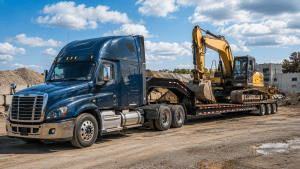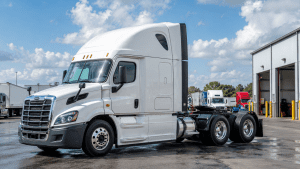
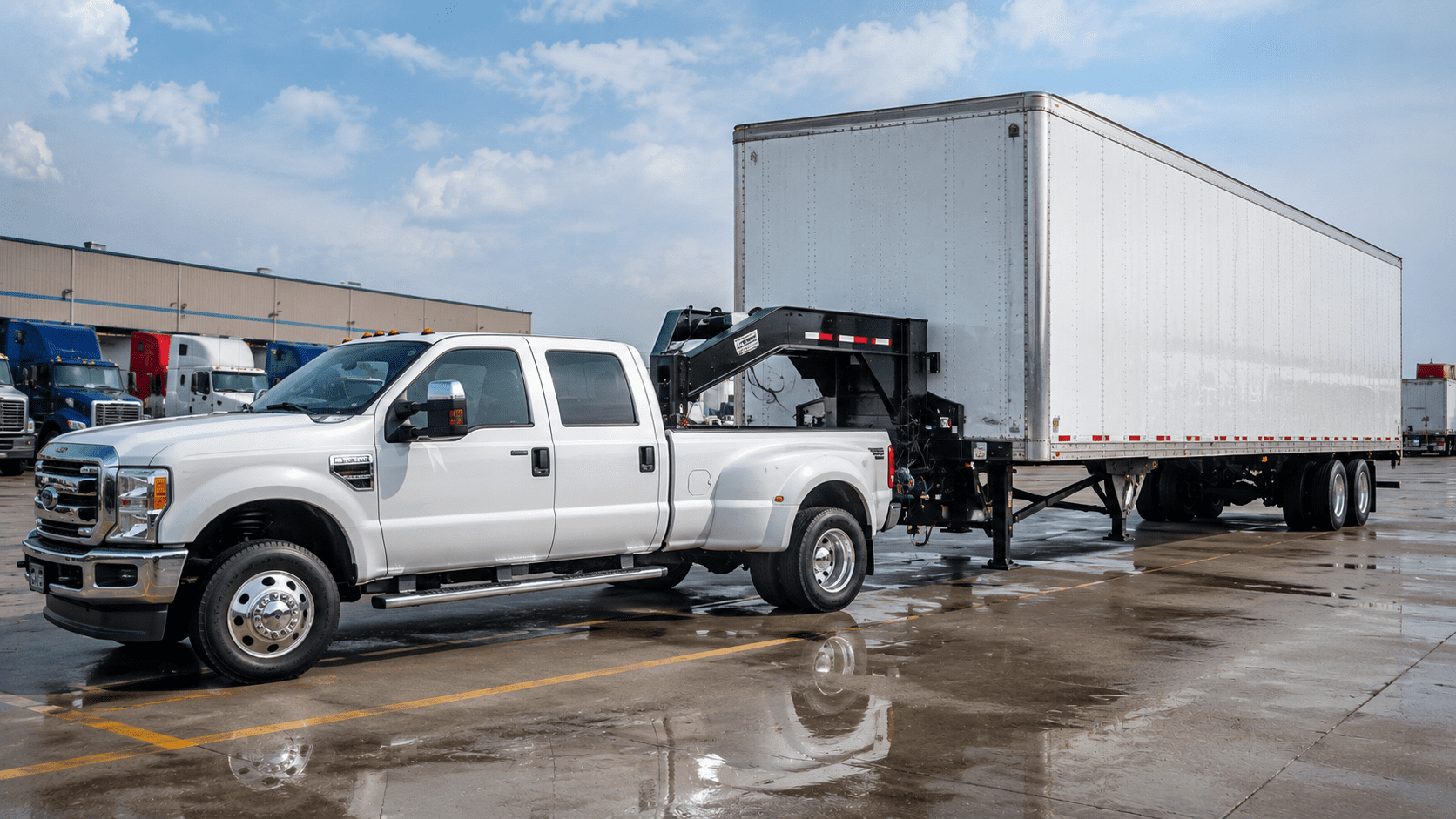
Introduction
Can a pickup truck pull a semi trailer is a question frequently asked by truck enthusiasts, farmers, contractors, logistics professionals, and people looking for alternative hauling solutions. At first glance, a heavy-duty pickup truck may seem powerful enough to tow a semi trailer, especially with modern diesel engines capable of producing impressive horsepower and torque. However, towing a semi trailer involves much more than simply having enough engine power.
The ability of a pickup truck to pull a semi trailer depends on several factors including trailer weight, hitch type, braking systems, legal requirements, axle ratings, and vehicle towing capacity. While some heavy-duty pickups can move an empty semi trailer under specific conditions, safely hauling a loaded semi trailer on public roads is a completely different matter.
Understanding the capabilities and limitations of pickup trucks helps operators avoid dangerous situations, equipment damage, and regulatory violations. This guide explains whether a pickup truck can pull a semi trailer, how towing works, safety considerations, legal factors, and best practices for successful hauling operations.
What Is a Semi Trailer?
A semi trailer is a freight trailer designed to be connected to a tractor unit through a fifth-wheel coupling system. Unlike conventional trailers, semi trailers do not have front axles and rely on the towing vehicle to support part of their weight.
Common semi trailer types include:
- Dry van trailers
- Flatbed trailers
- Refrigerated trailers
- Lowboy trailers
- Step deck trailers
- Tank trailers
Most semi trailers are built for commercial freight transportation and can carry tens of thousands of pounds of cargo.
How Does a Semi Trailer Work?
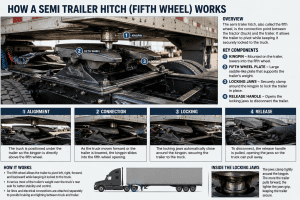
A semi trailer attaches to a towing vehicle through a fifth-wheel hitch.
Major Components
- Fifth wheel kingpin
- Trailer frame
- Axles
- Suspension system
- Landing gear
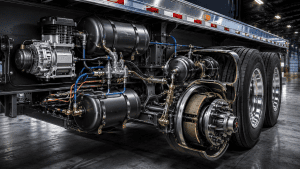
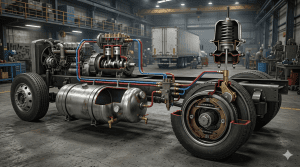
- Braking system
The towing vehicle supports part of the trailer’s weight while the trailer axles support the remainder. This design allows for efficient transportation of heavy freight.
Can a Pickup Truck Pull a Semi Trailer?
The short answer is:
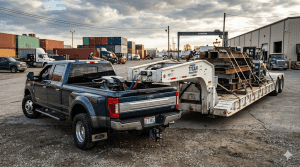
Yes, some heavy-duty pickup trucks can pull certain semi trailers under specific circumstances, but there are significant limitations.
Whether the combination is practical or legal depends on:
- Trailer weight
- Pickup towing capacity
- Hitch compatibility
- Road regulations
- Brake systems
Empty Semi Trailer
Many heavy-duty pickups can move an empty semi trailer around:
- Storage yards
- Farms
- Construction sites
- Private property
An empty trailer may weigh:
| Trailer Type | Empty Weight |
|---|---|
| Dry Van | 13,000–15,000 lbs |
| Flatbed | 10,000–15,000 lbs |
| Reefer | 15,000–18,000 lbs |
Some one-ton diesel pickups are capable of handling these weights under controlled conditions.
Loaded Semi Trailer
A loaded semi trailer often weighs:
| Condition | Weight |
|---|---|
| Cargo | 40,000–48,000 lbs |
| Trailer | 10,000–18,000 lbs |
| Total Trailer Weight | 50,000–65,000+ lbs |
Most pickup trucks are not designed to safely tow loads of this magnitude.
Towing Capacity of Modern Pickup Trucks
Heavy-duty pickups have impressive towing capabilities.
Typical Maximum Towing Capacities
| Truck Category | Approximate Capacity |
|---|---|
| Half-Ton Pickup | 8,000–14,000 lbs |
| Three-Quarter-Ton Pickup | 15,000–22,000 lbs |
| One-Ton Pickup | 20,000–40,000 lbs |
| Medium-Duty Pickup Chassis | 30,000–40,000+ lbs |
Examples of high-capacity pickups include:
- Ford Super Duty
- Ram Heavy Duty
- Chevrolet Silverado HD
- GMC Sierra HD
Even among these vehicles, safely towing a loaded semi trailer remains challenging.
Key Features Required to Pull a Semi Trailer
Fifth-Wheel Hitch
Semi trailers use a kingpin connection.
A pickup truck must have:
- Commercial-grade fifth-wheel hitch
- Proper mounting system
- Adequate frame strength
Heavy-Duty Suspension
Large trailer loads place tremendous stress on:
- Springs
- Shocks
- Axles
Heavy-duty suspension systems are essential.
Trailer Brake Integration
Proper braking is critical.
Required components often include:
- Trailer brake controller
- Air brake compatibility
- Emergency brake systems
High-Torque Engine
Diesel engines are preferred because they generate:
- Greater towing power
- Higher torque at lower RPMs
- Improved durability
Benefits of Using a Pickup Truck for Certain Semi Trailer Applications
Lower Operating Costs
Pickup trucks generally cost less to operate than commercial tractors.
Greater Versatility
A pickup can serve multiple functions beyond towing.
Easier Maneuverability
Pickups are often easier to navigate in:
- Tight job sites
- Farms
- Warehouses
Reduced Equipment Investment
For occasional trailer movement, a pickup may eliminate the need for a dedicated tractor.
Common Uses for Pickup Trucks Pulling Semi Trailers
Farm Operations
Agricultural businesses often move trailers around private property.
Construction Sites
Contractors may reposition trailers on-site.
Trailer Storage Facilities
Trailer yards sometimes use pickups for short-distance movements.
Equipment Transportation
Certain lightweight semi trailers may be hauled for specialized applications.
Industrial Properties
Facilities occasionally relocate trailers internally.
Factors to Consider Before Pulling a Semi Trailer
Trailer Weight
Always verify:
- Empty weight
- Cargo weight
- Gross trailer weight
Pickup Tow Rating
Never exceed manufacturer limits.
Important ratings include:
- GCWR (Gross Combined Weight Rating)
- GVWR (Gross Vehicle Weight Rating)
- Rear axle rating
Hitch Capacity
The hitch must support:
- Trailer weight
- Pin weight
- Dynamic loads
Brake Requirements
Many semi trailers use air brake systems that may not be compatible with standard pickups.
Legal Compliance
Road regulations may require:
- Commercial registration
- CDL licensing
- Safety inspections
Common Mistakes When Pulling a Semi Trailer
Exceeding Tow Ratings
Overloading increases risks of:
- Brake failure
- Tire damage
- Transmission overheating
Using Inadequate Hitches
Improper hitch equipment can cause trailer separation.
Ignoring Pin Weight
Semi trailers place significant weight directly on the towing vehicle.
Underestimating Braking Needs
Stopping a heavy trailer requires substantial braking capability.
Poor Weight Distribution
Improper loading affects handling and stability.
Expert Tips for Safe Towing
Verify All Weight Ratings
Confirm ratings before connecting the trailer.
Use Commercial-Grade Equipment
Invest in:
- Heavy-duty hitches
- Reinforced mounting systems
- Proper braking equipment
Inspect Tires Regularly
Heavy loads increase tire stress dramatically.
Practice in Controlled Areas
Before towing on roads:
- Test maneuverability
- Verify braking performance
- Check turning clearance
Follow Manufacturer Guidelines
Always operate within vehicle specifications.
Industry Applications
Agriculture
Farmers often use pickups to reposition grain and storage trailers.
Construction
Contractors move equipment trailers between work zones.
Logistics
Facilities occasionally use pickups for yard operations.
Manufacturing
Industrial plants relocate trailers within large facilities.
Transportation Support Services
Maintenance yards sometimes employ pickups for light trailer movement.
Future Trends in Heavy-Duty Pickup Towing
Increased Towing Capacities
Manufacturers continue raising tow ratings through:
- Stronger frames
- Improved powertrains
- Enhanced cooling systems
Smart Trailer Technology
Advanced systems provide:
- Trailer sway control
- Load monitoring
- Tire pressure tracking
Improved Brake Integration
Electronic brake systems improve trailer control.
Electric Heavy-Duty Trucks
Future electric pickups may offer impressive towing capabilities.
Enhanced Safety Features
Modern trucks include:
- Blind spot monitoring
- Trailer backup assistance
- Collision avoidance systems
Pickup Truck vs Semi Tractor Comparison
| Feature | Pickup Truck | Semi Tractor |
|---|---|---|
| Typical Tow Capacity | Up to 40,000 lbs | 80,000+ lbs |
| Air Brake System | Usually No | Yes |
| Commercial Design | Limited | Purpose Built |
| Fifth Wheel Capacity | Moderate | Heavy Duty |
| Long-Distance Hauling | Limited | Excellent |
Pros and Cons
Pros
- Lower purchase cost
- Greater versatility
- Easier parking
- Useful for light-duty applications
- Reduced maintenance expenses
Cons
- Limited towing capacity
- Brake compatibility issues
- Legal restrictions
- Reduced stability under heavy loads
- Not designed for commercial freight hauling
Conclusion
Can a pickup truck pull a semi trailer? The answer is yes in certain situations, particularly when moving empty or lightly loaded trailers over short distances. Many modern heavy-duty pickups equipped with commercial-grade fifth-wheel hitches and powerful diesel engines can handle specific semi trailer applications safely.
However, towing a fully loaded semi trailer is generally beyond the intended capabilities of most pickup trucks. Factors such as towing capacity, braking systems, hitch strength, legal requirements, and overall safety must be carefully considered. For routine freight transportation and heavy commercial hauling, purpose-built semi tractors remain the safest and most effective solution.
FAQ Section
1. Can a pickup truck pull a semi trailer legally?
In some situations, yes. Legality depends on trailer weight, vehicle ratings, licensing requirements, and local transportation regulations.
2. Can a Ford F-450 pull a semi trailer?
A properly equipped Ford F-450 can pull certain semi trailers, especially empty or lightly loaded units, within its rated capacity.
3. How much does an empty semi trailer weigh?
Most empty semi trailers weigh between 10,000 and 18,000 pounds depending on type and equipment.
4. Can a pickup truck pull a loaded semi trailer?
Most pickup trucks are not designed to safely tow fully loaded semi trailers weighing 50,000 pounds or more.
5. What hitch is needed to pull a semi trailer?
A commercial-grade fifth-wheel hitch compatible with the trailer kingpin is required.
6. Do semi trailers require air brakes?
Many commercial semi trailers use air brake systems, which may require specialized equipment for compatibility.
7. What is the strongest pickup truck for towing?
Heavy-duty models such as Ford Super Duty, Ram Heavy Duty, and Chevrolet Silverado HD offer some of the highest towing capacities available.
8. Is towing a semi trailer hard on a pickup truck?
Yes. Heavy loads increase stress on the engine, transmission, suspension, brakes, and tires.
9. Can a diesel pickup tow a semi trailer better than a gas truck?
Generally, yes. Diesel engines produce higher torque and are better suited for heavy towing applications.
10. Is a semi tractor better than a pickup for towing semi trailers?
Yes. Semi tractors are specifically designed for hauling heavy commercial trailers and provide superior safety, braking, and load-handling capabilities.