Introduction
Can a car fit under a semi trailer is a question many drivers have asked after seeing action movies, viral videos, or dramatic highway scenes. While Hollywood often portrays vehicles sliding safely beneath trailers during high-speed chases, the reality is very different. In real-world driving conditions, attempting to drive under a semi trailer is extremely dangerous and often fatal.
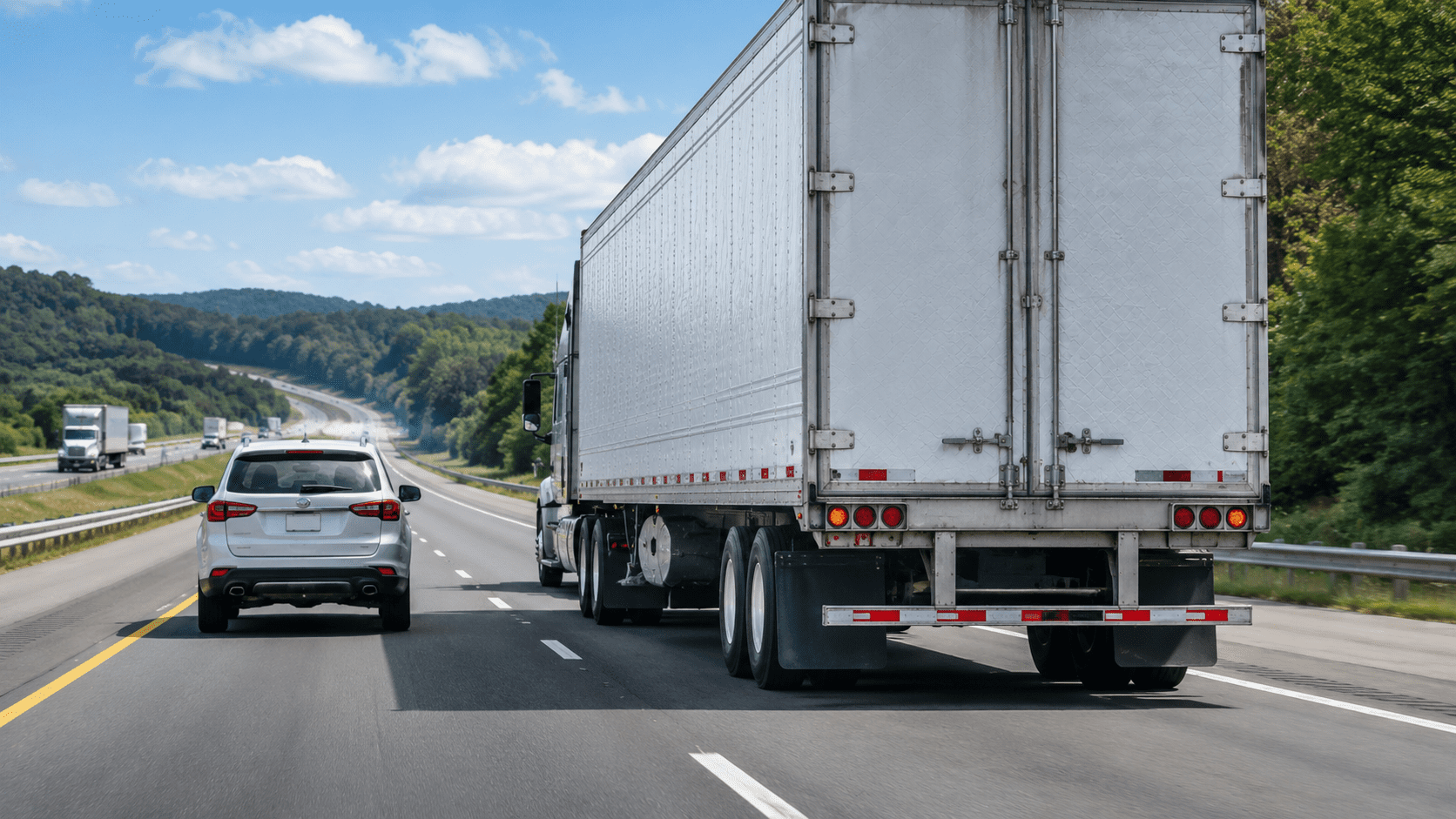
Semi trailers are designed to carry freight, not provide enough clearance for passenger vehicles. Although some smaller cars may appear capable of fitting beneath portions of a trailer, modern safety regulations require underride guards and other protective equipment specifically designed to prevent vehicles from sliding underneath during a collision.
Understanding trailer clearance, underride accidents, federal safety standards, and preventive technologies can help drivers stay safe around large commercial trucks. This guide explores whether a car can fit under a semi trailer, the risks involved, legal safety requirements, and important facts every motorist should know.
What Is a Semi Trailer?
A semi trailer is a freight-hauling trailer attached to a tractor unit through a fifth-wheel coupling. Unlike a full trailer, a semi trailer relies on the tractor to support part of its weight.
Semi trailers are commonly used to transport:
- Consumer goods
- Food products
- Construction materials
- Industrial equipment
- Agricultural products
The most common trailer lengths include:
- 48-foot trailers
- 53-foot trailers
These trailers travel millions of miles annually on highways and roads throughout North America.
How Does a Semi Trailer Work?
A semi trailer connects to a tractor through a fifth-wheel hitch.
Main Components
- Trailer frame
- Axles
- Landing gear
- Suspension system
- Rear underride guard
- Cargo area
The tractor provides power and steering while the trailer carries freight. Together they form the tractor-trailer combination commonly seen on highways.
Can a Car Fit Under a Semi Trailer?
The simple answer is:
In some situations, parts of a small passenger vehicle may physically slide underneath portions of a trailer, but it is extremely dangerous and not safely possible in normal driving conditions.
Modern trailers include safety equipment designed to prevent this from occurring during collisions.
Typical Trailer Ground Clearance
Most semi trailers have a ground clearance ranging from:
| Trailer Section | Approximate Clearance |
|---|---|
| Side Rails | 40–50 inches |
| Rear Underride Guard | 18–22 inches |
| Front Trailer Area | Varies |
Many modern passenger vehicles are taller than the clearance provided by rear safety guards.
Why Movies Create Misconceptions
Hollywood frequently depicts:
- Sports cars driving beneath trailers
- Vehicles escaping collisions
- High-speed trailer maneuvers
In reality:
- Trailer heights vary
- Underride guards block access
- Road conditions affect clearance
- Vehicle dimensions rarely allow safe passage
These scenes are heavily modified using special effects and custom-built equipment.
What Is an Underride Accident?
An underride accident occurs when a passenger vehicle collides with a truck trailer and slides underneath it.
These crashes are among the most severe types of roadway accidents.
Types of Underride Accidents
Rear Underride Collisions
A vehicle strikes the rear of a trailer and slides underneath.
Side Underride Collisions
A vehicle impacts the side of a trailer while crossing intersections or highways.
Front Underride Incidents
Less common but possible during complex collisions.
Why Underride Accidents Are So Dangerous
Passenger vehicles are designed to absorb impact using:
- Crumple zones
- Airbags
- Reinforced structures
When a vehicle slides beneath a trailer:
- Safety systems may not engage properly
- Windshields can strike trailer structures
- Passenger compartments may be compromised
This significantly increases the risk of serious injury or fatalities.
Trailer Safety Features That Prevent Cars From Fitting Under
Rear Underride Guards
Rear guards are steel structures mounted beneath trailers.
Purpose:
- Prevent vehicles from sliding under the trailer
- Absorb crash forces
- Improve collision outcomes
Reflective Tape
Federal regulations require reflective markings that improve trailer visibility at night.
Benefits include:
- Increased recognition distance
- Better driver awareness
- Reduced rear-end collisions
Trailer Lighting Systems
Commercial trailers use:
- Brake lights
- Turn signals
- Marker lights
- Clearance lights
These systems help drivers judge distance and positioning.
Advanced Collision Technologies
Modern fleets increasingly adopt:
- Automatic emergency braking
- Blind spot monitoring
- Collision warning systems
Key Features Affecting Trailer Clearance
Trailer Type
Different trailer designs have varying clearances.
| Trailer Type | Typical Clearance |
|---|---|
| Dry Van | Moderate |
| Flatbed | Higher |
| Step Deck | Variable |
| Lowboy | Lower |
| Refrigerated Trailer | Moderate |
Suspension System
Air ride suspensions may slightly alter trailer height.
Cargo Weight
Heavy loads can reduce overall clearance by compressing suspension systems.
Road Conditions
Uneven pavement and slopes affect effective trailer clearance.
Benefits of Understanding Trailer Clearance
Improved Highway Safety
Knowing trailer dimensions helps drivers maintain safe following distances.
Better Driver Awareness
Understanding truck limitations improves defensive driving.
Reduced Accident Risk
Awareness helps motorists avoid dangerous maneuvers around commercial vehicles.
Increased Compliance
Professional drivers benefit from understanding federal safety standards.
Common Uses of Semi Trailers
Semi trailers serve many industries.
Retail Distribution
Transporting consumer goods nationwide.
Food and Beverage
Delivering refrigerated products.
Construction
Moving heavy materials and equipment.
Manufacturing
Supporting supply chains with raw materials and finished products.
Agriculture
Hauling grain, livestock feed, and farm products.
Factors to Consider Around Semi Trailers
Blind Spots
Large trucks have significant blind spots.
Avoid lingering:
- Behind the trailer
- Beside the cab
- Near trailer corners
Stopping Distance
Loaded semi trucks require substantially longer stopping distances than passenger cars.
Trailer Swing
Trailers may swing during:
- Turns
- Lane changes
- Backing maneuvers
Weather Conditions
Rain, snow, and fog reduce visibility and increase stopping distances.
Common Mistakes Drivers Make Around Semi Trailers
Following Too Closely
Tailgating limits reaction time and increases crash risk.
Cutting Off Trucks
Large trucks need additional braking distance.
Driving in Blind Spots
Truck drivers may not see vehicles positioned alongside the trailer.
Assuming Trucks Can Stop Quickly
Fully loaded tractor-trailers may require hundreds of feet to stop safely.
Attempting Unsafe Maneuvers
Trying to drive under or around trailers creates significant danger.
Expert Tips for Sharing the Road With Semi Trucks
Maintain Safe Following Distance
Keep at least several seconds of following distance behind trailers.
Pass Efficiently
Avoid lingering beside a trailer during passing.
Watch Turn Signals
Large trucks often require extra space for turns.
Stay Visible
If you cannot see the truck driver’s mirrors, they may not see you.
Anticipate Wide Turns
Give trucks adequate room to maneuver safely.
Industry Applications of Trailer Safety Systems
Commercial Trucking
Fleet operators prioritize underride protection and collision prevention.
Logistics Companies
Safety programs reduce accident costs and improve compliance.
Government Agencies
Transportation authorities establish standards for trailer safety equipment.
Vehicle Manufacturers
Automakers continue improving crash protection systems.
Insurance Industry
Risk assessments often focus on commercial vehicle safety practices.
Future Trends in Trailer Safety
Enhanced Underride Guards
Manufacturers continue developing stronger guard systems.
Side Underride Protection
Additional side barriers may become more common.
Smart Trailer Technology
Advanced sensors can improve visibility and collision prevention.
Connected Vehicle Systems
Future trucks may communicate with nearby vehicles to reduce accident risks.
Autonomous Safety Features
Artificial intelligence may further improve collision avoidance.
Comparison of Common Vehicle and Trailer Heights
| Vehicle Type | Approximate Height |
|---|---|
| Sedan | 55–60 inches |
| Compact Car | 55–58 inches |
| SUV | 65–75 inches |
| Pickup Truck | 70–80 inches |
| Trailer Component | Approximate Height |
|---|---|
| Rear Underride Guard | 18–22 inches |
| Trailer Floor | 48–52 inches |
This comparison shows why modern safety guards are essential in preventing vehicles from sliding beneath trailers.
Conclusion
Can a car fit under a semi trailer is a question that often arises due to movie scenes and internet myths. While certain portions of a vehicle may physically enter spaces beneath a trailer during a collision, modern commercial trailers are equipped with underride guards and other safety features specifically designed to prevent vehicles from sliding underneath.
Attempting to drive under a semi trailer is extremely dangerous and can result in catastrophic consequences. Understanding truck dimensions, maintaining safe distances, avoiding blind spots, and respecting commercial vehicle limitations are the best ways to stay safe on the road. As transportation technology continues to evolve, improved underride protection and advanced collision prevention systems are making highways safer for everyone.
FAQ Section
1. Can a car fit under a semi trailer safely?
No. Modern semi trailers are equipped with underride guards designed to prevent vehicles from sliding underneath. Attempting such a maneuver is extremely dangerous.
2. Why do movies show cars driving under semi trailers?
Movie productions often use modified equipment, special effects, and controlled environments that do not reflect real-world road conditions.
3. What is an underride accident?
An underride accident occurs when a passenger vehicle collides with a truck trailer and partially slides underneath it.
4. Are underride accidents common?
They are less common than other crashes but often result in severe injuries because of the nature of the impact.
5. What prevents a car from going under a trailer?
Rear underride guards, reflective markings, and safety regulations help prevent vehicles from sliding underneath trailers.
6. Can a sports car fit under a semi trailer?
Even very low sports cars face significant obstacles from underride guards and trailer structures, making it unsafe and unrealistic.
7. What is the purpose of a rear underride guard?
The guard helps stop vehicles from traveling underneath the trailer during a rear-end collision.
8. Do all semi trailers have underride guards?
Most commercial trailers operating on public roads are required to have compliant rear underride protection systems.
9. How can drivers avoid underride accidents?
Maintain safe following distances, avoid distractions, and remain aware of truck movements and braking distances.
10. Are side underride guards required?
Requirements vary by jurisdiction, but side underride protection is an area receiving increased attention within the transportation industry.